
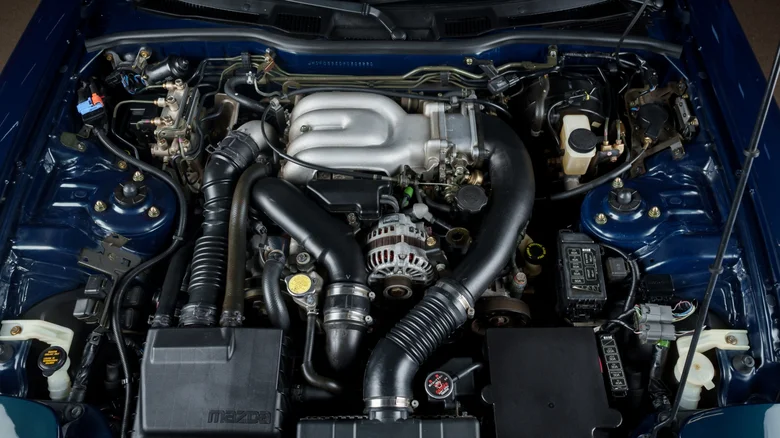
The RX-8 does not forgive lazy ownership the way a basic commuter car might. Many American buyers fall in love with the shape, the rev-happy feel, and the strange little charm of the rotary, then learn too late that apex seal failure is not one dramatic event. It is usually a slow bill you started writing months earlier with short trips, weak oil habits, heat soak, and ignored compression clues. That sounds harsh, but it is also good news. A rotary gives warning signs when you know how to listen. Good automotive ownership advice matters here because this car rewards routine more than luck. You do not need to baby an RX-8 until it becomes boring. You need to run it correctly, warm it fully, keep its oil and ignition system honest, and stop treating every rough start like a quirk. The owners who keep these cars alive are not always the richest. They are the ones who respect the engine’s rhythm before the damage becomes expensive.
Apex Seal Failure Starts Long Before the Engine Feels Broken
A rotary engine hides wear in a way that makes people overconfident. A piston engine may knock, smoke, leak, or misfire in ways that feel obvious. The RX-8 often keeps starting, revving, and sounding fine while compression slowly drops across one rotor face. That quiet decline is why prevention matters more than repair talk.
Why rotary engine care begins with heat discipline
Cold starts are where many RX-8 owners hurt the engine without meaning to. The car may fire up, move down the driveway, and shut off before the oil and housings have reached a stable temperature. That tiny trip feels harmless, but repeated cold shutdowns can leave fuel residue, thin oil protection, and make the next start harder than it should be.
A better habit is simple: avoid starting the car unless you plan to let it warm properly. In a U.S. suburb where the RX-8 is a weekend car, this matters more than people admit. Moving it from the garage to the curb every Saturday morning can be rougher on the engine than a clean thirty-mile drive.
Good rotary engine care also means you stop judging health by sound alone. A smooth idle does not prove the seals are happy. A rotary can sound calm while its compression margin gets smaller, and that gap between sound and truth is where careless owners lose engines.
What hot starts tell you before compression numbers do
A weak hot start often speaks before a compression tester ever gets involved. When the car starts easily cold but fights you after fuel, heat, and pressure build, you should pay attention. That pattern can point toward declining compression, tired ignition parts, flooding habits, or a mix of all three.
The mistake is assuming one hard restart is random. In Phoenix, Dallas, Atlanta, or inland California, hot pavement and engine bay heat make weak systems show their flaws sooner. A healthy RX-8 should not need drama every time you leave a gas station.
RX8 compression loss rarely arrives with a sign taped to the hood. It creeps in through longer cranking, uneven idle after restart, and that uneasy feeling that the engine needs encouragement to wake up. Take that feeling seriously. Early testing gives you choices; late testing gives you invoices.
Keeping Oil, Fuel, and Ignition Working as One System
Owners often talk about the rotary as if one perfect oil brand or one magic habit can save it. That is the wrong mindset. The RX-8 survives when oil, fuel, spark, and heat all work together. Break one part of that chain, and the apex seals pay for it.
How engine oil metering protects the seal edge
The RX-8 depends on controlled oil delivery into the combustion process. That fact makes some piston-car owners uncomfortable, but it is part of the rotary design. The seal edge needs a film of protection while it slides along the housing, especially under heat and load.
Routine oil checks matter because this engine consumes oil by design. Waiting for the dipstick to scare you is a poor plan. Many owners who drive in mixed American conditions, from freeway commuting to backroad weekend pulls, check oil at fuel stops because the habit is fast and removes guesswork.
Engine oil metering also makes oil quality and change intervals harder to ignore. Dirty oil does not become harmless because the car still revs cleanly. Fresh oil supports cleaner operation, better protection, and fewer ugly surprises when the engine is asked to work.
Why weak coils can damage more than drivability
Ignition problems deserve less patience than RX-8 owners often give them. Weak coils, tired plugs, and poor wires can create incomplete burn, extra heat, fuel wash, and rough running that places stress where the rotary cannot shrug it off forever. A misfire is not only an annoyance. It is a warning.
A common U.S. owner story goes like this: the car starts fine, feels slightly lazy, throws an occasional light, then seems normal after a restart. That owner keeps driving because the car still feels fun above 5,000 rpm. Weeks later, the same car is harder to start and smells rich after short trips.
Rotary engine maintenance should treat ignition parts like wear items, not lifetime parts. Replace them before they become the reason fuel and heat start bullying the seals. Waiting until the car runs poorly means you let the cheapest layer of protection fail first.
Driving Habits That Prevent Apex Seal Failure in Real Life
The RX-8 was not built to idle around forever like a delivery van. It wants heat, clean revs, and full operating rhythm. That does not mean abuse helps it. It means the engine stays healthier when you drive it with purpose instead of fear.
Why gentle driving can become the wrong kind of kindness
Many owners think low rpm driving protects the rotary. That belief sounds safe, but it can backfire. Constant soft driving, short shifting, and never letting the engine breathe can build deposits and keep the car out of the range where it runs cleanest.
A careful owner in Ohio who only drives the RX-8 on short errands may think he is saving the engine. The owner who takes the same car onto the freeway, warms it fully, and lets it rev under clean load may be doing more good. The difference is not aggression. It is completion.
Apex seal failure prevention works best when the car gets heat, oil flow, and regular exercise. The rotary does not need reckless pulls through traffic. It needs thoughtful driving that burns clean, reaches temperature, and avoids long stretches of half-awake operation.
How shutdown habits affect the next start
The final minute of a drive can shape the next start more than most owners expect. Shutting the car down cold or after a brief move can leave the engine in a poor state for restart. That is why some RX-8 owners learn the hard way about flooding after short garage shuffles.
A smarter pattern is to avoid pointless starts, let the car reach stable temperature, and give it a calm moment before shutdown after harder driving. You are not performing a ritual. You are giving fuel, oil, and heat a cleaner ending point.
RX8 compression loss becomes easier to spot when your driving habits stay consistent. Random short trips, repeated cold shutdowns, and weak battery cranking can muddy the symptoms. Clean habits make real problems stand out sooner, and that can save the engine.
Testing, Records, and Repair Choices Before Damage Wins
Prevention is not only what you do behind the wheel. It is also how you track the car’s condition over time. A rotary owner without records is guessing, and guessing gets expensive when compression is involved.
When to compression test before buying parts
A proper rotary compression test tells a story that normal tools may miss. Standard piston-engine numbers can mislead you because rotary testing needs the right method and correction for cranking speed. That detail matters when you are deciding whether the issue is ignition, flooding, battery speed, or seal wear.
Do not throw parts at a tired RX-8 because a forum post sounded confident. Test first when hot starts worsen, fuel economy drops, idle gets uneven, or the engine feels softer after warmup. Parts can help only when the diagnosis is honest.
One counterintuitive truth: a compression test is not an admission that the engine is doomed. It can prove the engine is still worth protecting. That number gives you a baseline, and a baseline turns fear into planning.
How maintenance records protect your wallet
A notebook, spreadsheet, or phone note can make you a better owner than someone with a garage full of tools. Record oil changes, plug and coil dates, compression results, coolant work, and start behavior. Patterns show up when you stop trusting memory.
Rotary engine maintenance gets easier when you can see what changed before a symptom appeared. A rough idle after new plugs tells a different story than a rough idle after two years of ignored ignition parts. Records keep you from blaming the engine for a problem you created somewhere else.
Engine oil metering, ignition condition, cooling health, and driving pattern all connect. The owner who tracks them has a fighting chance because the RX-8 is not mysterious when treated like a system. It only feels mysterious when every clue gets ignored until the tow truck arrives.
Conclusion
The RX-8 asks for a different kind of respect than most cars, and that is why it still has such a loyal following. It is not the easy choice, the cheap choice, or the low-attention choice. That honesty should attract the right owner, not scare them away. Apex seal failure becomes far less frightening when you stop thinking of it as sudden bad luck and start seeing it as a chain of preventable choices. Warm the car fully. Keep the oil honest. Refresh ignition parts before they turn sloppy. Test compression before your confidence turns into denial. Use records, not guesses, and let the car tell you what it needs before the symptoms get loud. The RX-8 rewards owners who listen early and act without drama. Treat the rotary like a machine with rules, not a myth with curses, and your next drive can stay what it was meant to be: sharp, strange, and worth the effort.
Frequently Asked Questions
What causes Mazda RX-8 apex seals to wear out early?
Poor warmup habits, weak ignition parts, low oil, excess heat, and repeated short trips can speed wear. The engine needs clean combustion, steady oil supply, and full operating temperature. Neglect usually does more harm than mileage alone.
How often should an RX-8 owner check engine oil?
Check oil at least every few fuel stops, and sooner if you drive hard or take long freeway trips. The RX-8 uses oil as part of its design, so waiting for a warning light is a risky habit.
Can bad ignition coils hurt a rotary engine?
Yes, weak coils can cause misfires, rich running, extra heat, and poor combustion. Those conditions can stress the rotor housings and seals over time. Fresh coils, plugs, and wires are cheap compared with engine repair.
What are the early signs of RX-8 compression problems?
Long hot starts, uneven idle, weak low-rpm response, poor fuel economy, and harder restarting after fuel stops can all point toward compression trouble. A proper rotary compression test is the best way to confirm what is happening.
Is premixing fuel helpful for a Mazda RX-8?
Some owners premix to add extra lubrication, but it should be done with care and the right oil. It is not a cure for bad maintenance, weak ignition, or poor compression. Treat it as a support habit, not a rescue plan.
Should I avoid short trips in a rotary engine car?
Short trips are hard on the RX-8 because the engine may not reach full temperature. Repeated cold starts and quick shutdowns can raise flooding risk and leave deposits. Longer, fully warmed drives are kinder to the rotary.
How do I know if my RX-8 is flooding?
A flooded RX-8 may crank without starting, smell strongly of fuel, or start only after a special clear-flood procedure. Flooding often follows cold shutdowns, weak battery cranking, tired ignition parts, or repeated failed starts.
Is rebuilding an RX-8 engine always worth it?
A rebuild makes sense when the chassis, body, transmission, and ownership plan justify the cost. A neglected car with rust, poor records, and many worn systems may not be worth saving unless you want a full project.