Road safety has become a global priority as traffic volumes continue to increase. While vehicle technology has advanced significantly, lighting systems have also undergone remarkable improvements. Smart lighting systems are no longer limited to simply making roads brighter. They now adapt to traffic conditions, weather changes, and pedestrian activity, creating a safer environment for everyone. These intelligent solutions help drivers react more quickly to hazards while reducing the likelihood of accidents during nighttime and low visibility conditions.
Governments, transportation authorities, and automobile manufacturers are increasingly investing in smart lighting technologies because they provide practical benefits without requiring major changes in driving habits. By combining sensors, automation, and energy efficient designs, these systems contribute to safer roads and more efficient transportation networks.
How Smart Systems Adapt To Changing Conditions With Upbocw?
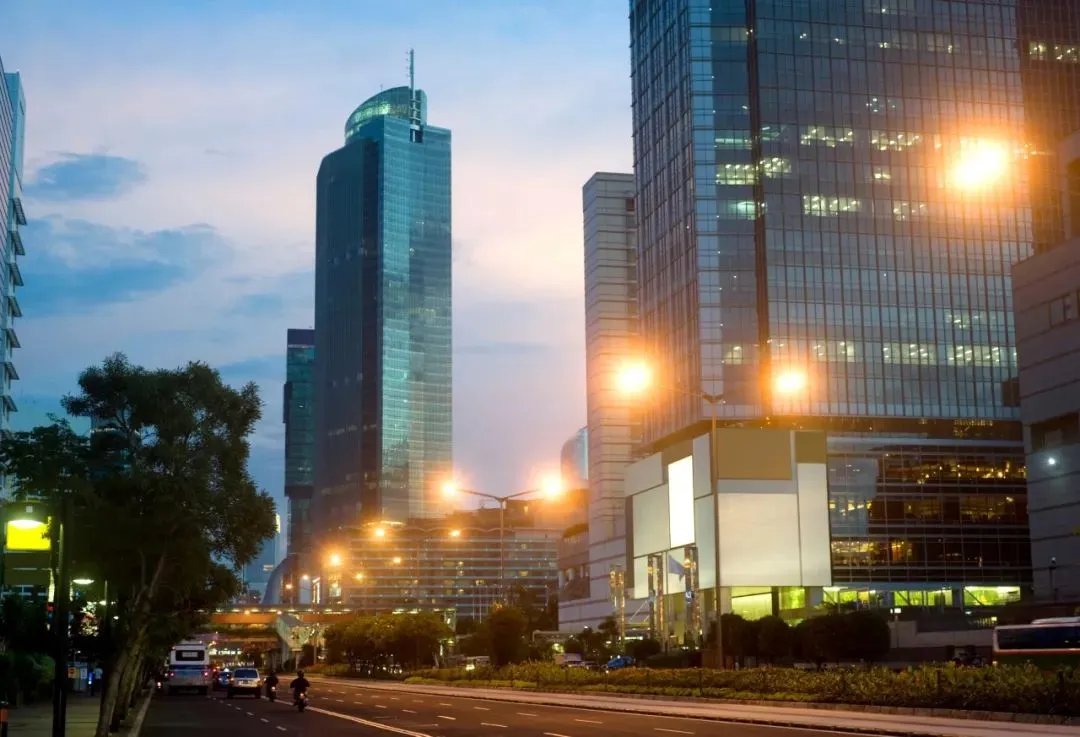
Traditional streetlights operate on fixed schedules regardless of traffic levels or weather. Smart lighting systems work differently by using sensors that monitor vehicle movement, road conditions, and ambient light. When traffic increases, lighting intensity automatically adjusts to provide better visibility. During periods of low traffic, lights can dim slightly to conserve energy without compromising safety.
This adaptive approach benefits drivers by ensuring that roads remain properly illuminated whenever additional visibility is needed. Similar to how digital platforms such as upbocw help users access organized information efficiently, smart lighting systems manage illumination intelligently to improve safety while optimizing energy consumption.
These systems can also detect sudden weather changes such as fog, heavy rain, or snowfall and increase brightness to help drivers maintain better control of their vehicles.
Better Visibility Through Advanced Vehicle Lighting With Salary Slip JKPAYSYS Pdf Download
Modern automobiles are equipped with intelligent headlights that continuously adjust according to driving conditions. Adaptive headlights rotate as the steering wheel turns, allowing drivers to see curves and corners more clearly before entering them. Automatic high beam technology detects approaching vehicles and adjusts brightness to prevent glare while maintaining maximum visibility.
Pedestrian detection systems further enhance safety by highlighting people or cyclists near the roadway. Some advanced vehicles even project warning symbols directly onto the road surface to alert both drivers and pedestrians about potential hazards.
Although the phrase salary slip jkpaysys pdf download belongs to an entirely different digital context, it highlights how technology has become deeply integrated into everyday activities. Similarly, intelligent automotive lighting represents another example of technology simplifying daily life while improving public safety.
Smart Streetlights Support Connected Cities With Kaverionline.Info
The concept of connected cities relies on infrastructure that communicates in real time. Smart streetlights form an important part of this ecosystem by collecting valuable data about traffic flow, environmental conditions, and road usage. Transportation authorities use this information to improve traffic management, schedule maintenance, and identify accident prone locations.
Many smart lighting systems include cameras and sensors capable of detecting unusual activity, stalled vehicles, or obstacles on the road. Emergency services can respond more quickly because incidents are identified almost immediately.
Just as websites such as kaverionline.info organize important public information for users, intelligent lighting networks organize real time roadway data that helps cities make informed decisions. The result is a transportation system that is not only safer but also more efficient and environmentally responsible.
Energy Efficiency And Environmental Benefits With PM Svanidhi Loan
Smart lighting does more than improve visibility. It also reduces electricity consumption by adjusting brightness according to actual road usage. LED technology consumes far less energy than conventional streetlights while providing higher quality illumination. Combined with automated controls, municipalities can significantly lower operational costs and reduce carbon emissions.
Many cities also integrate solar powered lighting units into their smart infrastructure projects. These renewable energy solutions improve sustainability while ensuring consistent lighting even in remote locations.
Programs that encourage economic growth, such as PM svanidhi loan, demonstrate how innovation can improve communities in different ways. Likewise, investments in smart lighting infrastructure create long term economic value by reducing maintenance expenses, lowering energy bills, and decreasing the financial impact of traffic accidents.
The Future Of Road Safety Through Intelligent Illumination
Artificial intelligence and machine learning are expected to make smart lighting systems even more effective in the coming years. Future systems may predict hazardous conditions before they occur by analyzing historical traffic patterns and weather forecasts. Vehicles and streetlights could communicate directly, creating synchronized lighting environments that automatically adapt to individual driving situations.
Autonomous vehicles will also rely heavily on intelligent lighting infrastructure to navigate safely. Roads equipped with connected lighting systems will provide more accurate environmental information, allowing self driving technologies to perform with greater precision.
As urban populations continue to grow, smart lighting will become an essential component of modern transportation planning. Its ability to improve visibility, reduce accidents, conserve energy, and support connected infrastructure makes it one of the most valuable innovations in road safety. Continued investment in intelligent illumination will help create safer roads for drivers, cyclists, and pedestrians while supporting more sustainable and efficient cities for future generations.