

A cold engine can tell on itself before the dashboard ever lights up. One rough start on a February morning in Ohio or a damp Texas driveway may feel like bad gas, weak spark plugs, or an old battery, but Failing Variable Valve Timing Solenoid Symptoms often begin with that uneven first minute after startup. The engine shakes, the idle hunts, and then, once warm, the car acts as if nothing happened.
That pattern fools plenty of drivers because modern engines are good at hiding small timing problems once oil pressure and temperature settle. For anyone comparing repair advice, maintenance habits, or local shop guidance through trusted automotive resources like practical car ownership insights, the smarter move is to treat a rough cold start as evidence, not annoyance.
A variable valve timing solenoid controls oil flow to the camshaft timing system. When it sticks, clogs, or reacts slowly, the engine may open and close valves at the wrong moment. That tiny delay can make a cold engine stumble, waste fuel, and age parts faster than most owners expect.
Why Failing Variable Valve Timing Solenoid Symptoms Show Up First on Cold Starts
Cold starts expose weak parts because the engine has not yet built the rhythm it needs to forgive them. Oil is thicker, idle speed is higher, fuel mixture is richer, and every sensor is trying to bring the engine from sleep to control in seconds. A lazy timing solenoid can hide during highway driving, yet stumble in that first cold minute.
What happens before oil pressure settles
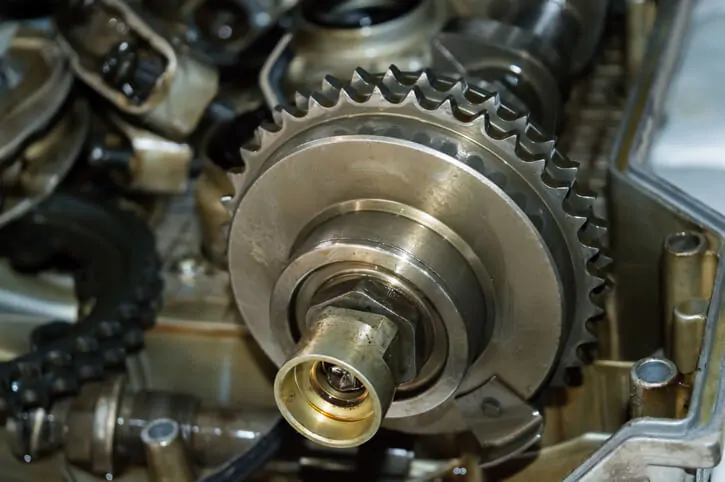
A variable valve timing system depends on clean, pressurized oil. The solenoid works like a gate, sending oil to the cam phaser so the engine can adjust valve timing for better power, cleaner idle, and lower fuel use. When the oil is cold, that gate has to react while thicker fluid moves through tiny passages.
A healthy solenoid still responds fast enough. A dirty one may hesitate, stick halfway, or send uneven pressure to the cam phaser. That delay can leave the camshaft slightly out of position while the engine is trying to stabilize idle, which is why the car may shake for 20 seconds and then smooth out.
The sneaky part is that the issue can feel weather-related. A Chevrolet Malibu, Toyota Camry, Ford Fusion, or Honda Accord may start fine in warm weather, then act rough when the morning temperature drops. The weather did not create the fault. It made a weak oil-control part easier to catch.
Why warm engines hide the problem
A warm engine gives the solenoid better working conditions. Oil flows faster, idle control becomes steadier, and the engine computer has already learned enough from oxygen sensors and cam sensors to make small corrections. The driver only sees the polished version of a problem that looked ugly ten minutes earlier.
That is why a quick test drive can miss the issue. A technician who checks the vehicle after lunch may find a smooth idle and no obvious complaint. The owner, meanwhile, knows the car sounded like it had a bad cough at 7 a.m.
Cold-start videos help more than people think. Recording the tachometer, engine sound, and exhaust note during the first startup of the day can give a shop better evidence than a vague complaint. The best diagnosis often starts in the driveway, not under bright shop lights.
Reading the Rough Idle Without Blaming the Wrong Part
A rough cold start does not automatically prove the solenoid failed. Spark plugs, coils, vacuum leaks, dirty throttle bodies, low battery voltage, fuel pressure bleed-down, and carbon buildup can all create similar behavior. The job is to read the pattern, not chase the loudest symptom.
When variable valve timing problems feel like ignition trouble
A weak coil usually feels like a sharp misfire. The engine may buck, flash a check engine light, or store cylinder-specific codes such as P0301 or P0302. Timing solenoid trouble often feels softer and wider, like the whole engine is slightly out of step instead of one cylinder dropping out.
Variable valve timing problems may also show up with codes tied to camshaft position, timing over-advanced, timing over-retarded, or oil control performance. On many U.S. commuter cars, the check engine light may appear only after the fault repeats enough times for the computer to trust it.
A counterintuitive truth matters here: the absence of a code does not clear the solenoid. Early sticking can create roughness before the computer decides the fault is measurable. Drivers often wait for the warning light, then spend more because the issue had weeks to spread into oil, phaser, or chain-related concerns.
How oil condition changes the diagnosis
Dirty oil can make a good solenoid act bad. Long oil change gaps leave varnish and sludge inside small oil passages, and variable valve timing systems hate that kind of neglect. A car that went 9,000 miles on cheap oil may stumble even if the electrical side of the solenoid still tests fine.
Oil level matters too. Low oil can starve the solenoid during startup, especially after the car sits overnight on a sloped driveway. Too-thick oil can slow response in colder states, while the wrong oil spec can make timing control less predictable.
This is where diagnosis has to stay honest. Replacing the solenoid without checking oil level, oil quality, and service history is lazy work. On the other hand, blaming oil alone when the solenoid screen is packed with debris is wishful thinking. Good repair decisions sit between those two mistakes.
The Repair Decision: Clean, Test, or Replace the VVT Solenoid
Once the pattern points toward the oil-control side of the timing system, the next choice is not always automatic replacement. Some solenoids can be removed and inspected. Others sit in awkward places where labor makes replacement smarter than repeated testing.
When cleaning makes sense and when it wastes time
Cleaning can help when the solenoid screen has light varnish or small debris, the connector is clean, and the engine has no heavy sludge history. A careful technician may remove the part, inspect the filter screen, check resistance, and command it with a scan tool where possible.
Cleaning becomes a gamble when the plunger sticks, the housing is damaged, the screen is packed, or the engine keeps returning timing codes. A part that sticks once can stick again, and cold starts are the worst time to trust a marginal oil-control valve.
Many owners want the cheapest path first, which is fair. Still, paying labor twice hurts more than buying the right part once. If your vehicle is a high-mileage daily driver in places like Pennsylvania, Michigan, Illinois, or New York, winter cold will punish a borderline solenoid faster than summer ever did.
What a proper shop check should include
A proper check starts with oil level, oil condition, stored codes, pending codes, freeze-frame data, and live cam timing data. The technician should compare commanded cam timing against actual cam timing, especially during startup and idle. That gap tells a better story than guesswork.
Electrical checks matter as well. A damaged connector, rubbed wire, weak ground, or oil-soaked plug can mimic a failed solenoid. Some engines also use more than one solenoid, so replacing the wrong bank or wrong cam position part can leave the same cold-start complaint sitting in the driveway.
The repair should end with a cold-start verification, not a warm idle pat on the back. A car that behaves after a 15-minute test drive has not proven much. The first start the next morning is the real exam.
Preventing Repeat Cold-Start Trouble After the Fix
The repair does not end when the idle smooths out. Variable valve timing systems stay healthy when the engine gets clean oil, correct parts, and enough attention before small symptoms turn into hard faults. Prevention here is not glamorous. It works because it is boring.
Build oil habits around the timing system, not the calendar
Oil change timing should match how the car is used. Short trips, cold starts, stop-and-go traffic, rideshare driving, and dusty roads all age oil faster than easy highway miles. A driver doing two-mile school runs in Minnesota is harder on oil than someone cruising long interstate miles in Arizona.
Follow the oil specification listed for the engine, not whatever is on sale. Modern engines often need exact viscosity and certification because the oil also acts as hydraulic control fluid for timing parts. Wrong oil can turn a healthy system into a slow one.
The most overlooked habit is checking oil level between changes. Some engines burn a little oil as they age, and the timing system feels low oil before the driver hears obvious engine noise. A one-minute dipstick check can save a three-hour diagnostic visit.
Watch the first minute after startup
The first minute tells the truth. Listen for rattling, uneven idle, delayed smoothness, fuel smell, or a tach needle that rises and falls in a pattern. One bad morning may not mean disaster, but a repeated pattern deserves attention.
Keep a simple note on your phone when the symptom appears. Record temperature, mileage, fuel level, recent oil change date, and whether the check engine light came on. That small record can keep a shop from replacing parts by guesswork.
Failing Variable Valve Timing Solenoid Symptoms should push you to act before the issue spreads beyond the solenoid. A rough cold start is not the engine being dramatic. It is the engine asking you to catch a timing-control problem while it is still affordable.
Conclusion
The smartest car owners do not wait for a warning light to give them permission to pay attention. They notice patterns, especially the ones that show up before the engine warms and the car starts pretending everything is fine. Cold-start roughness deserves that kind of attention because timing control sits close to the heart of how a modern engine breathes.
Failing Variable Valve Timing Solenoid Symptoms can look small at first, but the cost of ignoring them grows quietly. The right response is not panic. It is a clean diagnostic path: check the oil, read the codes, inspect the solenoid circuit, verify cam timing behavior, and demand a cold-start confirmation after repair.
A car that starts cleanly, idles calmly, and responds without hesitation is not asking for luck. It is asking for maintenance that respects how the engine actually works. Book a proper inspection before a rough morning start becomes your new normal.
Frequently Asked Questions
What are the first signs of a bad variable valve timing solenoid?
Rough cold starts, unstable idle, poor acceleration, reduced fuel economy, and cam timing-related check engine codes are common early signs. The engine may smooth out after warming, which makes the problem easy to dismiss until the symptom returns more often.
Can a bad VVT solenoid cause a rough cold start?
Yes, a sticking or clogged solenoid can delay proper cam timing during startup. Cold oil moves slower, so the engine may stumble, shake, or idle unevenly until oil pressure and temperature improve enough for the system to respond.
Will dirty oil cause variable valve timing problems?
Dirty oil can clog solenoid screens and narrow oil passages inside the timing system. Since the solenoid depends on clean oil flow, old or incorrect oil can create symptoms that feel like a failed part even before the solenoid fully dies.
Is it safe to drive with a failing VVT solenoid?
Short trips may be possible, but continued driving can hurt fuel economy, increase emissions, and stress timing components. If the engine runs rough, stalls, rattles, or shows a flashing check engine light, stop driving and get it checked quickly.
How much does VVT solenoid replacement cost in the USA?
Many U.S. repairs fall into a moderate range, but price depends on vehicle make, engine layout, part quality, and labor access. Some solenoids sit near the top of the engine, while others take more time to reach and test correctly.
Can cleaning a VVT solenoid fix cold-start rough idle?
Cleaning may help when light debris or varnish blocks the screen, but it will not fix a worn, sticking, electrically weak, or damaged solenoid. A shop should test the part and confirm the cold-start symptom is gone afterward.
What codes appear with variable valve timing solenoid failure?
Common codes may point to camshaft timing performance, timing over-advanced, timing over-retarded, or actuator control faults. Exact codes vary by automaker, so diagnosis should include live data instead of relying on the code label alone.
How do I prevent VVT solenoid failure after replacement?
Use the correct oil, change it on time, keep the oil level full, and avoid stretching service intervals during heavy city driving. Pay attention to cold-start behavior because early roughness often returns before a major warning appears.