

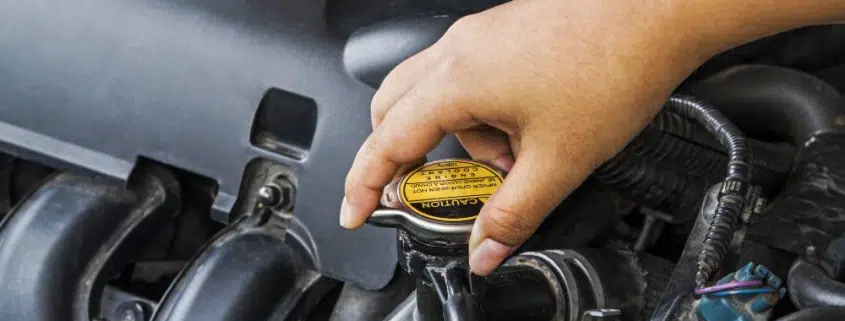
A plastic coolant tank can fail quietly for weeks, then punish you in one hot commute. The first clear signs of a cracked coolant reservoir tank often look harmless: a sweet smell after parking, a small wet spot near the front of the car, or a low coolant warning that comes and goes. Many drivers in the USA blame the weather, the age of the car, or a loose cap before they suspect the tank itself. That delay gets expensive. Once the cooling system loses fluid or pressure, heat stops leaving the engine at the pace it should, and small cracks turn into towing bills. A smart owner treats coolant loss like a warning flare, not a nuisance. For drivers comparing repair notes, maintenance costs, and car ownership advice from different sources, a trusted auto care resource can help connect the symptom to the next smart move. The point is simple: catch the tank problem while the engine is still safe, not after the temperature gauge is already begging for mercy.
Early Warning Signs That Start Before the Gauge Climbs
A failing reservoir rarely begins with drama. It usually starts with a pattern you can miss because modern cars hide heat problems better than older ones did. The gauge may stay normal, the fan may run as expected, and the car may still drive fine around town. That calm is the trap.
Coolant leak near the front corner of the engine bay
A coolant leak under the hood can appear as a small puddle, damp streak, or crusty dried trail near the tank seam. On many American commuter cars, SUVs, and pickups, the reservoir sits high on one side of the engine bay, so the leak may run down brackets or splash shields before it reaches the driveway.
The color can help, but it does not tell the whole story. Coolant may look orange, pink, green, yellow, or blue depending on the vehicle, and road grime can dull it fast. The stronger clue is the slick feel and sweet smell, especially after the engine cools.
Some owners wipe the area clean, drive for two days, and see the same wet line return. That repeat pattern matters more than puddle size. A tiny crack can lose enough fluid over a week to put the system on the edge during a long highway pull or a slow July traffic jam.
Low coolant warning that keeps returning
A low coolant warning that returns after a refill deserves attention, even when the tank looks full at first glance. Sensors can fail, but many warnings come from real fluid loss or trapped air moving through the system. The car is telling you the level changed when it should not have.
This is where people make the costly mistake. They top off the tank, tighten the cap, and move on because the car starts and drives normally. Then the message returns on a cold morning, or the heater blows cool air at a stoplight, and the real issue is no longer easy to ignore.
A cracked plastic tank can lose fluid only under certain heat and pressure conditions. That means it may sit dry overnight and leak only after the engine reaches operating temperature. A driveway check after a cold start can miss the fault completely.
Why a Small Crack Can Turn Into Engine Overheating
The cooling system depends on pressure, circulation, and the right fluid level. A reservoir crack attacks all three in a sneaky way. It does not need to dump coolant on the ground all at once. It only needs to let the system lose enough pressure or fluid to stop heat from moving cleanly.
Cooling system pressure changes the whole diagnosis
Cooling system pressure raises the boiling point of the coolant mixture and keeps the flow stable through hot spots inside the engine. When the tank or cap area leaks, pressure drops, and the fluid can boil earlier than it should. That is why a small plastic crack can act larger than it looks.
A driver in Phoenix, Dallas, or Atlanta may notice the problem sooner than someone in a cooler state because heat load exposes weak parts. Long idle time with the air conditioner on can push a borderline system into trouble. The crack did not suddenly become serious; the conditions finally exposed it.
Pressure also explains why some leaks appear after shutdown. Heat soak raises under-hood temperature when airflow stops, and the weak point begins to seep. That little wet patch after parking at the grocery store is not random. It is evidence.
Engine overheating often arrives after several ignored hints
Engine overheating rarely feels fair when it happens. One minute the car seems normal, and the next the warning light comes on while steam curls from under the hood. The truth is colder than that. The vehicle often gave earlier hints, but they were easy to excuse.
A heater that works on the highway but fades at idle can point to low coolant or air in the system. A fan that runs long after parking can signal extra heat load. A faint smell near the grille can matter more than the temperature needle, especially on cars with damped gauges that hide small swings.
The counterintuitive part is that a car can overheat with coolant still visible in the tank. If air pockets sit in the wrong place, or pressure cannot hold, the system may not protect the cylinder head. Seeing fluid does not prove the system is healthy.
How to Inspect the Tank Without Making the Problem Worse
A good inspection starts with patience. Hot coolant can burn skin fast, and opening a pressurized system is a bad bet. Let the engine cool fully, then inspect with a bright light, a clean rag, and enough time to follow the evidence instead of guessing.
Cracks often hide around seams, nipples, and mounting tabs
Plastic tanks usually fail where stress collects. Look around molded seams, hose nipples, cap necks, and mounting ears. These spots flex from heat cycles, vibration, and service work. A crack near a hose connection may look like a hairline shadow until coolant dries around it.
Dried residue is a better witness than fresh liquid in many cases. Fresh coolant may spread and confuse the path, while dried deposits show where the leak began. White, orange, or chalky crust around the seam can mark a slow leak that only opens under heat.
Use a gentle touch. Do not yank hoses, bend the tank, or pry around fittings. Old plastic can break in your hand, especially on vehicles that have lived through Midwest winters, desert summers, or years of stop-and-go heat.
A pressure test can reveal what your eyes miss
A shop pressure test can find a crack that refuses to leak while cold. The technician pressurizes the cooling system without running the engine, then watches for pressure loss and visible seepage. It is a clean way to catch the fault before the car reaches a danger zone.
Home testers exist, but the wrong adapter or too much pressure can create a new problem. That matters on older cars, where the radiator, hoses, tank, and heater core may all be near the end of their service life. Diagnosis should not turn into damage.
Ask the shop to inspect the cap at the same time. A weak cap can mimic a tank issue, and a cracked tank can make a good cap look guilty. The best repair decision comes from testing the system as a whole, not blaming the first wet part you see.
Repair Choices That Protect the Engine, Not the Budget Fantasy
The cheapest repair is not always the lowest-cost repair. A bottle of sealant or a quick plastic patch may feel tempting when the car still runs. That shortcut can clog passages, hide the real leak, or leave you stranded when pressure returns. Cooling repairs punish wishful thinking.
Replacement beats patching on most daily drivers
A reservoir tank lives in heat, vibration, and pressure. Once it cracks, the surrounding plastic often has the same age and stress. Patching one split may buy time, but it does not reset the material. For a daily driver, replacement usually makes more sense.
The repair is often less complex than the damage caused by waiting. Many tanks bolt in place and connect to one or two hoses, though access varies by model. A late-model crossover may need trim or intake pieces moved, while an older pickup may offer an open path.
Parts quality matters here. A cheap tank with poor molding can fit badly, stress the hose nipple, or fail early. A good replacement, fresh coolant, and proper bleeding are the boring choices. Boring keeps engines alive.
Bleeding air after repair is not optional
Air left in the system can create hot spots, false level readings, and weak cabin heat. After the tank is replaced, the system needs the correct coolant mix and a proper bleed process for that vehicle. Some cars have bleed screws. Others need a vacuum fill tool or a scan-tool procedure.
This step separates a repair from a parts swap. A tank can be brand new, yet the engine can still run hot if air remains trapped near the thermostat or cylinder head. That is the sort of mistake that makes owners think the new part failed.
Keep a close eye on the level for the next few drive cycles. The coolant may drop slightly as trapped air escapes, but it should stabilize. If the level keeps falling, the system still has a leak, and the tank was only part of the story.
Conclusion
Your engine does not care whether the failed part looked small, cheap, or harmless. Heat only needs one weak link to start moving in the wrong direction. A cracked coolant reservoir tank is one of those problems that rewards early action and punishes delay. Treat stains, smells, warnings, and level drops as a pattern, not separate annoyances. Check the tank cold, look for dried trails, respect pressure, and get the system tested before summer traffic or a long interstate trip exposes the fault the hard way. The smartest repair is the one that restores pressure, removes air, and lets the cooling system do its job without drama. If your coolant level keeps changing, schedule an inspection before the next drive becomes a roadside lesson.
Frequently Asked Questions
What are the first signs of a cracked coolant tank?
Sweet smell, damp spots near the tank, dried crust around seams, and repeat low-level warnings are common early signs. The temperature gauge may stay normal at first, so do not wait for overheating before checking the system.
Can I drive with a small coolant reservoir crack?
Short local driving may seem fine, but it is risky. A small crack can open wider under heat and pressure. Driving far, idling in traffic, or using the air conditioner can push the engine into a dangerous heat range.
Why does my coolant level drop with no puddle?
Coolant can leak only when the system is hot, then evaporate on warm engine parts. It can also collect on splash shields before reaching the ground. Dried residue near the tank often reveals what the driveway does not show.
Does a bad reservoir cap cause the same symptoms?
A weak cap can cause pressure loss, coolant smell, and level changes. The cap and tank should be checked together because one can make the other look faulty. Replacing only one part without testing can miss the real cause.
How much does coolant reservoir replacement cost in the USA?
Many replacements fall into a moderate repair range, but cost depends on vehicle design, part quality, labor time, and coolant type. Luxury vehicles and tight engine bays usually cost more because access takes longer.
Can sealant fix a cracked coolant reservoir?
Sealant is a poor choice for most daily drivers. It may clog small passages or hide the leak for a short time. Replacing the damaged tank is the safer repair when you depend on the car every day.
Why does my heater blow cold when coolant is low?
Low coolant or trapped air can stop hot fluid from flowing through the heater core. That makes cabin heat weak at idle or during slow driving. It can also warn you that the engine may not be cooling correctly.
Should I replace hoses when replacing the coolant tank?
Old hoses should be inspected during the repair. Soft spots, swelling, cracks, or crusted ends mean replacement makes sense. A new tank connected to weak hoses can still leak, so the full area deserves attention.