

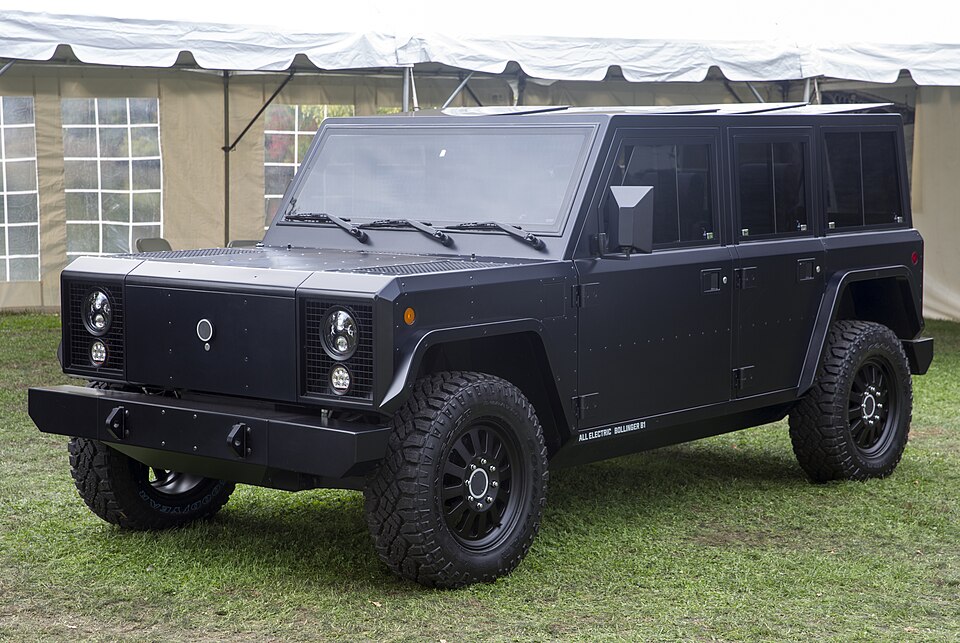
The hard truth is simple: this rugged electric SUV became one of the most talked-about American EV trucks without ever becoming a customer vehicle. The Bollinger B1 production status sits in a different place than many early fans hoped, because Bollinger postponed consumer-truck production in January 2022 and said deposits for the B1 SUV and B2 pickup would be refunded while the company shifted toward commercial vehicles. For U.S. reservation holders, that means the old waiting game is over, even if the design still pulls people back into forum threads, auction chatter, and EV nostalgia. Anyone tracking electric vehicle industry updates should separate the dream from the paperwork: the consumer B1 never reached normal retail production, and later company updates framed the B1 and B2 as prototypes whose lessons fed into the commercial B4 truck.
Bollinger B1 Production Status: The Consumer Truck Never Reached Customer Production
The cleanest way to read the timeline is to stop treating the B1 like a delayed model year and start treating it like a shelved consumer program. That distinction matters. A delay suggests a truck waiting for batteries, factory space, or crash testing. A shelved consumer program means buyers should not expect a normal order bank, delivery schedule, trim walk, or dealer handoff.
Why the commercial pivot changed the whole story
Bollinger did not quietly miss one launch date and then come back with a revised window. In January 2022, the company announced that it was postponing consumer-truck production and delivery while focusing on commercial trucks and fleets. It also said it would refund deposits from people who had reserved the electric B1 sport utility truck and B2 pickup.
That move cut deeper than a normal startup delay. A normal delay says the product remains the center of the business. This one said the customer had changed. Instead of selling a blocky off-road SUV to private buyers in Texas, Colorado, Michigan, or California, the company aimed its engineering toward Class 3-6 commercial vehicles.
The shift made sense on paper. Fleet buyers care about duty cycle, route cost, upfitter needs, and service math. They do not need leather theater or lifestyle branding. Bollinger’s flat, work-first engineering could speak that language better than many sleek EV startups.
The painful part for early fans is that good engineering does not guarantee a consumer launch. The B1 had the right personality for American truck culture, but the business case moved away from weekend trails and private garages. Once that happened, the reservation list lost its original meaning.
What the prototype label tells buyers now
Bollinger’s own current B1 and B2 page presents the vehicles under “heritage” and “prototypes,” not as active retail products. The page says lessons from B1 and B2 development were incorporated into the B4 commercial truck, which is a clear signal that the original consumer machines became engineering ancestors rather than showroom inventory.
That language matters because EV startups often keep old product pages alive long after the product path changes. A working webpage does not mean production is alive. It can serve as brand history, investor memory, design proof, or a bridge to a different vehicle.
A buyer in Phoenix or Denver might still see a B1 photo and think, “Maybe there is a small run coming.” That is the trap. The public material points toward heritage, not a revived order process for everyday customers.
The unexpected lesson is that a prototype can gain more cultural weight after cancellation than many production cars gain after launch. Scarcity, clean design, and unrealized promise create a strange pull. Still, admiration is not availability.
Reservation Holder Updates After the Deposit Refund Decision
Reservation holders need a grounded view, not another round of wishful thinking. The main update remains the 2022 refund decision. Once a company announces deposit refunds tied to a program shift, the relationship changes from “future buyer” to “former reservation holder,” unless a new binding purchase process appears later.
How early interest turned into a waiting-room problem
Early interest in the B1 was huge by startup standards. Bollinger announced in 2017 that it had passed 10,000 reservations for the B1, though early reservation interest did not carry the same weight as a signed retail purchase contract.
That distinction deserves more respect than it usually gets. A reservation can show demand, but it does not build a plant, certify a vehicle, fund supplier contracts, or create a service network. American EV shoppers learned this lesson across several startups during the last decade.
The B1 had a strong hook because it looked honest. It did not pretend to be a spaceship. It looked like a square-jawed work truck with electric torque, open cargo thinking, and enough visual attitude to make every soft crossover look timid.
But reservations can become emotional debt. People follow updates, defend the brand online, compare specs, and imagine the truck in their driveway. When the refund announcement arrives, the money may come back, but the expectation lingers longer than the deposit.
What a former reservation holder should check now
Former reservation holders should first confirm whether their deposit was refunded and whether any old email account still holds messages from Bollinger or its payment processor. A clean bank record matters more than a forum memory, especially if the reservation was placed years ago.
A second step is checking whether any third-party seller is using “reservation,” “allocation,” or “early spot” language. That wording should raise alarms. There is no normal consumer production queue to transfer, and a reservation position has no clear retail value without an active factory-backed ordering system.
The smarter move is to save old documents only for personal records. Keep confirmation emails, refund notices, and payment statements in one folder. Do not treat them like a tradable asset.
One quiet frustration sits under all of this: many early supporters were not speculators. They were real truck people who wanted a simple electric utility vehicle without fake luxury. Their disappointment is fair, but it should not lead them into paying for a promise that no longer has a clear path.
Why the Commercial Truck Pivot Did Not Bring the SUV Back
The commercial pivot gave the company a new story, but it did not reopen the old consumer chapter. That point is easy to miss because the B1 and B2 kept appearing in brand material, old videos, auto-show coverage, and enthusiast conversations. Visibility can mimic momentum when a product has a strong shape.
How the B4 program absorbed the original engineering lessons
The B4 commercial truck became the place where Bollinger tried to turn its platform thinking into a business. In June 2025, Bollinger said it had emerged from receivership, Mullen Automotive had increased its ownership stake to 95%, and the B4 Class 4 commercial truck was available for order through a national dealer network.
That update also said the B4 used a 158-kWh battery pack and that the company was developing a B5 Class 5 commercial truck with an anticipated 2026 launch. This was not a return to the original consumer SUV plan. It was a fleet-focused path built around chassis cab buyers, upfitters, and commercial routes.
Commercial trucks live under different pressure. A landscaping company in Ohio, a municipal fleet in New York, or a delivery operator in California does not care whether the vehicle wins Instagram. It cares whether the truck can carry the body it needs, charge on schedule, and stay supported after the sale.
That is why the B1 story feels bittersweet. The original design spirit may have helped shape later commercial thinking, yet the people who first wanted the SUV were not the target customer anymore. The machine’s soul moved on without the original buyer base.
Why ownership changes made a restart harder
Mullen Automotive acquired a controlling interest in Bollinger in September 2022, and later company materials tied Bollinger’s portfolio to both the B1/B2 consumer vehicles and commercial chassis cab trucks. A 2023 SEC-filed shareholder update said Mullen’s 60% stake included funding tied to vehicle development and the B4 launch.
That sounds hopeful at first glance. A larger parent company can bring capital, facilities, and purchasing power. It can also bring a new set of priorities that pushes an expensive niche consumer truck further down the list.
A consumer restart would have required more than nostalgia. Bollinger would have needed certification work, supplier commitments, crash compliance, warranty planning, service coverage, pricing discipline, and a credible build schedule. Every one of those items costs money before the first retail buyer gets keys.
The counterintuitive truth is that a loved design can become harder to launch after it becomes famous. Expectations rise. People remember promised capability. Any production version would have been judged against years of myth, not a quiet spec sheet.
What U.S. EV Truck Shoppers Should Do Next
The practical move is to treat the B1 as a landmark idea, not a pending shopping choice. That does not make the truck meaningless. It means the buying decision belongs elsewhere. American EV truck shoppers have to compare vehicles they can inspect, finance, insure, service, and register without chasing a ghost.
How to judge old listings, prototypes, and online claims
Old listings and social posts deserve a cold read. If someone claims access to a build slot, ask for factory-backed proof, current company confirmation, and clear legal language. Screenshots from years ago do not carry much weight.
A prototype or display vehicle is a different matter. If one ever appears through a private sale, museum channel, liquidation process, or collector route, it should be treated like a special vehicle with unknown service support. That is not the same as buying a normal truck.
You also need to check title status, parts access, software access, charging hardware, and whether the vehicle can be legally used on public roads. A cool prototype can become garage sculpture fast when one missing component has no supply chain behind it.
The harsh rule is simple: never pay production-car money for prototype certainty. A prototype may be worth money to a collector, but it should not be valued like a supported retail vehicle unless the paperwork proves it.
Where the lesson fits in the wider electric truck market
The B1 story lands inside a larger American EV truck reality. Building a credible electric truck is harder than building attention. Trucks need payload confidence, thermal control, charging speed, repair access, and long-term parts support.
That is why reservation holders across the EV market have become more careful. A beautiful reveal no longer feels like enough. Buyers want production lines, VINs, dealer tools, service training, and real owner miles.
The B1 still deserves credit for pushing a different kind of design conversation. It rejected soft shapes and screen-heavy theater. It gave utility buyers a cleaner dream: flat panels, honest proportions, and electric power without pretending every truck had to become a luxury lounge.
Still, a dream does not tow your trailer. If you need an electric truck in the U.S. today, shop from vehicles with active production, clear warranty terms, and service locations you can actually reach. Romance can start the search, but paperwork should close the deal.
Conclusion
A smart reader should leave this story with sharper eyes, not cynicism. The B1 showed that there was real hunger for a simple electric utility truck with American work-truck attitude. That hunger has not gone away, and another company may serve it better one day.
For reservation holders, the safest reading is also the plainest one: the Bollinger B1 production status remains tied to a postponed consumer program, refunded deposits, and no normal retail delivery path. Later commercial efforts did not turn the SUV into a customer vehicle, and the company’s 2025 financial trouble made a consumer revival feel even farther away.
Keep the old emails if the truck mattered to you. Follow any verified asset or brand updates with a cautious eye. But do not build a buying plan around a vehicle that never became a supported consumer product.
The next right step is clear: compare active electric trucks by warranty, service access, payload needs, and real delivery status before you put money down.
Frequently Asked Questions
Is the Bollinger B1 still going into production for U.S. buyers?
No normal consumer production path is active for U.S. buyers. Bollinger postponed the B1 and B2 consumer programs in 2022, refunded deposits, and shifted focus toward commercial vehicles. Later company updates framed the B1 and B2 as prototypes and brand heritage.
Did Bollinger refund B1 reservation deposits?
Bollinger said in January 2022 that it would refund deposits for people who had reserved the electric B1 sport utility truck and B2 pickup. Former reservation holders should still check old payment records and email confirmations to confirm their own refund history.
Can someone sell a Bollinger B1 reservation spot?
A reservation spot has no clear value without an active factory-backed ordering system. Any seller claiming to transfer a B1 build position should provide current official proof. Old screenshots, emails, or forum posts are not enough to justify payment.
Why did Bollinger stop focusing on the B1 SUV?
The company shifted toward commercial trucks and fleets, where its electric chassis ideas could serve fleet buyers, upfitters, and work routes. That business direction moved attention away from private SUV and pickup customers who originally followed the B1 and B2.
Was the Bollinger B1 ever delivered to normal customers?
The B1 did not reach normal customer production. It appeared as prototypes and production-intent designs, but the consumer program was postponed before retail deliveries became a regular reality for private buyers.
What happened to Bollinger Motors after the B1 delay?
Bollinger moved into commercial EV trucks, became majority-owned by Mullen Automotive, later faced receivership issues, and reported a June 2025 exit from receivership. By late 2025, reporting said Bollinger Motors had ceased operations amid financial trouble.
Should EV shoppers wait for a future B1 revival?
Waiting is risky unless a verified company announcement confirms funding, production plans, certification, service support, and ordering terms. Shoppers who need a truck should compare active EV models with real delivery channels and warranty coverage.
Why do people still care about the Bollinger B1?
The B1 had a rare identity: simple, square, electric, and utility-first. Many American truck fans liked that it avoided soft crossover styling and luxury excess. Its unfinished story keeps interest alive, even though interest is not the same as availability.