

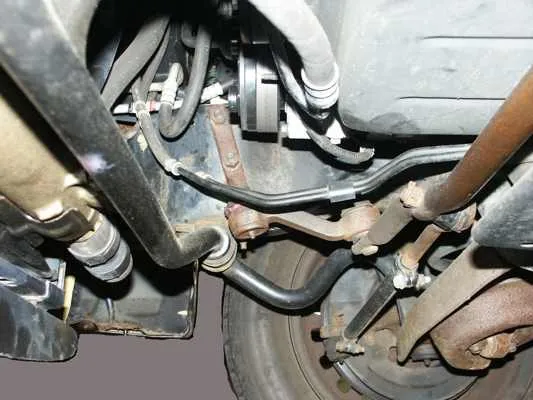
A big old truck can feel honest, heavy, and planted until the steering starts acting like it has an opinion of its own. You hold the wheel straight, the road looks flat, and still the front end drifts across the lane like it is following worn grooves nobody else can see. That is where worn idler arm symptoms become more than an annoying old-vehicle quirk. On many older body-on-frame vehicles in the USA, especially classic pickups, full-size SUVs, and rear-wheel-drive sedans, the idler arm helps keep the steering linkage steady while the pitman arm does the pushing. When that support gets loose, the vehicle stops tracking with confidence. The strange part is how subtle it can feel at first. A little wander on the highway. A small delay when you correct the wheel. A clunk over a driveway lip. Many owners blame tires, alignment, or age because that sounds easier than digging into steering linkage. For readers comparing repair advice, restoration notes, or older vehicle ownership guides, a practical resource like trusted automotive maintenance insights can help connect symptoms with smarter decisions before a simple loose part turns into a risky drive.
Worn Idler Arm Symptoms Start With Steering That Feels Unsettled
Steering wander does not always announce itself with drama. More often, it creeps in until you catch yourself making tiny corrections every few seconds. That pattern matters because an idler arm does not steer the vehicle by itself. It holds part of the center link in proper position, so when it wears, the whole steering system loses its clean line of force.
How steering wander feels at highway speed
Highway wander often feels like the vehicle is floating, even when the suspension is not bouncing. You point the hood down the lane, but the front tires seem to take a half-second to agree. That delay makes older Chevy C/K trucks, Ford F-Series models, Dodge Ram pickups, and similar body-on-frame vehicles feel wider than they are.
A worn steering linkage support can also make the driver overcorrect. You turn slightly left to bring the vehicle back, then the front end responds late and needs a small correction right. The motion feels small from the cabin, but it creates fatigue because your hands never get to relax.
Tire ruts on American highways make the problem feel worse. A healthy older truck may follow grooves a little, but it should still feel controllable. When the idler arm has play, the same grooves can tug the front end around like the tires are arguing with the steering wheel.
Why older body-on-frame vehicles show it clearly
Older body-on-frame vehicles tend to reveal steering looseness because their steering systems often use a recirculating ball steering box, center link, pitman arm, tie rods, and an idler arm instead of a modern rack-and-pinion layout. That setup can last a long time, but every joint has a job. Once one support weakens, the whole linkage loses discipline.
A 1990s Suburban with larger all-terrain tires gives a good example. The extra tire weight can magnify looseness in the front linkage, so a small amount of idler arm movement feels bigger at the steering wheel. The driver may feel the truck drift on I-40 or I-95 and assume the tires need balancing, yet the real issue sits in the steering support.
The counterintuitive part is that the vehicle may still feel fine at parking-lot speed. Low-speed steering can hide play because the tires move slowly and the driver expects heavier effort. Highway speed exposes the delay because the front tires need to hold a clean path under load.
Loose Idler Arm Diagnosis Before Blaming Alignment
Alignment gets blamed for nearly every wandering front end, and sometimes that blame is fair. Still, alignment numbers do not hold steady when worn parts are moving underneath the vehicle. A shop can set toe perfectly on the rack, but if the idler arm shifts under road force, the tires will not keep that setting on the street.
What a driveway inspection can reveal
A basic driveway check can tell you whether the steering linkage deserves closer attention. Park on level ground, set the brake, and have a helper gently move the steering wheel back and forth while the engine is off. You are not looking for full turns. You are looking for small motion near center while you watch the center link and idler arm area.
The idler arm should support the passenger-side end of the steering linkage without obvious vertical or side movement. If the center link jumps before the tires begin to move, that lost motion matters. A small amount of steering wheel free play can feel normal on an old truck, but visible looseness at the support is not something to excuse.
Body-on-frame vehicles also invite confusion because several parts can look suspicious at once. Tie rod ends, pitman arms, ball joints, control arm bushings, wheel bearings, and steering box adjustment all affect the feel. The idler arm still deserves special attention because its job is quiet support, and quiet support often gets ignored until the vehicle feels sloppy.
Why alignment can hide the real fault
An alignment printout can look respectable while the vehicle still wanders. That happens when the parts sit still during measurement but move under load on the road. Toe is the usual victim. If the center link shifts as the front tires meet bumps, braking force, or road crown, the tires no longer point exactly where the alignment machine said they did.
A good technician checks for looseness before alignment because adjusting worn linkage is like measuring a door while someone keeps shaking the frame. The numbers may look neat for a moment. The real world will not care.
Here is the practical order: inspect steering and suspension parts first, replace worn components, then align the vehicle. For older trucks in the rust belt, that may also mean checking frame mounting points and fasteners. A new alignment on loose steering parts is not maintenance. It is a receipt with false comfort.
Idler Arm Symptoms Versus Other Front-End Problems
A wandering older vehicle can send you chasing the wrong repair fast. The trick is not to guess from one symptom. You need to read the pattern. Idler arm symptoms often overlap with tire wear, steering box play, and suspension looseness, but the combination of delayed steering response, linkage movement, and inconsistent tracking points in a sharper direction.
When tires and brakes imitate steering trouble
Bad tires can mimic steering wander in a way that fools careful drivers. A separated belt may pull the vehicle to one side, then change behavior as speed rises. Uneven tire pressure can make a truck chase road crown. Aggressive tread can tramline in highway grooves and make the steering feel busy.
Brake issues create a different kind of confusion. A sticking front caliper can drag one wheel and make the vehicle pull, especially after several stops. The steering wheel may not feel loose, but the vehicle still refuses to track straight. That is why a good diagnosis includes tire pressure, tire condition, brake drag, and wheel bearing play before any part gets blamed.
The difference sits in feel. Tire and brake problems usually create a steady pull or vibration. A worn idler arm often creates a wandering delay, where the steering wheel input and tire response do not match cleanly. That loose, wandering gap is the clue.
When the pitman arm or steering box shares blame
The pitman arm lives on the driver side and transfers motion from the steering box to the linkage. If it wears, the vehicle can wander in a way that feels close to an idler arm problem. The steering box itself can also develop play, especially on vehicles that have hauled trailers, plowed snow, or spent years on rough roads.
A worn idler arm usually shows movement at the passenger-side support of the center link. A worn pitman arm shows play near the steering box output. Steering box looseness may show as wheel movement before the pitman arm begins to move. Each fault creates slack, but the slack begins in a different place.
This is where patience beats parts swapping. Many owners replace tie rods first because they are familiar, then get frustrated when the truck still drifts. The better move is to watch the linkage as a system. The part that moves when it should hold steady is the part telling the truth.
Repair Choices That Restore Straight-Line Confidence
Replacing an idler arm is not glamorous work, but it changes the character of an old vehicle when the diagnosis is right. The steering wheel feels less vague. Lane position becomes easier to hold. The vehicle stops making every highway mile feel like a small negotiation between your hands and the front tires.
What replacement quality changes on heavy vehicles
Part quality matters because an idler arm carries real load. A cheap unit may tighten the steering for a short period, then loosen early under the weight of oversized tires, heavy bumpers, or regular towing. Older American trucks often have enough front-end weight to punish weak steering parts.
Some vehicles use an idler arm bracket and arm design, while others use a complete assembly. Rust can also turn a simple job into a fight, especially on older Midwest or Northeast vehicles. Fasteners may need penetrating oil, heat, or careful removal to avoid damaging mounting points.
The unexpected lesson is that the best repair may include more than the failed part. If the idler arm is worn, the pitman arm and tie rods may have lived through the same years of impacts. Replacing only the loudest failure can help, but a full front-end check gives the alignment a fair chance to last.
Why the final alignment decides the repair
A new idler arm changes steering geometry because it removes movement from the linkage. That is good, but it also means the old alignment setting no longer reflects how the vehicle sits with tight parts. Skipping alignment after steering work can leave the vehicle with tire wear, off-center steering, or a pull that makes the repair feel incomplete.
A proper alignment also gives you a second opinion on the rest of the front end. If a shop cannot hold specs, something is still moving, bent, or worn. That information matters more than the printed numbers because older body-on-frame vehicles often carry history under the paint: curb hits, towing stress, rust repair, lift kits, or mismatched tires.
You should treat worn idler arm symptoms as a warning about control, not only comfort. A loose front end steals confidence one small correction at a time, and that slow decline makes it easy to normalize unsafe steering. Put the vehicle on solid ground, inspect the linkage under movement, replace the weak parts, and finish with an alignment from a shop that understands older trucks. The next drive should feel calmer, straighter, and less like a fight you have been pretending not to notice.
Frequently Asked Questions
What causes steering wander on older body-on-frame vehicles?
Loose steering linkage, worn idler or pitman arms, tired tie rod ends, bad alignment, weak suspension bushings, tire issues, and steering box play can all cause wander. Older body-on-frame vehicles show these problems clearly because their steering systems depend on several linked parts staying tight together.
How can I tell if my idler arm is bad?
Look for loose steering, highway wander, uneven tire wear, clunking near the front end, and visible movement in the center link near the passenger-side support. A helper can gently move the steering wheel while you watch for play under the front of the vehicle.
Can a worn idler arm cause uneven tire wear?
Yes. A loose idler arm can let the steering linkage shift while driving, which changes toe angle under load. That movement can scrub the tires and create uneven wear, even if the alignment looked acceptable when the vehicle was sitting still on a rack.
Is it safe to drive with a loose idler arm?
It is not smart to keep driving that way. Minor looseness may feel manageable at low speed, but highway driving, emergency steering, rough pavement, and braking can make the vehicle harder to control. Steering parts should be inspected and repaired before the problem grows.
Does a bad idler arm make a clunking noise?
It can. Some worn idler arms clunk over bumps, driveway entrances, or rough pavement because the steering linkage moves where it should stay supported. Noise alone does not prove the part is bad, but clunking with steering looseness deserves a front-end inspection.
Should I replace the pitman arm with the idler arm?
Sometimes it makes sense, especially on older trucks with high mileage or matched wear. The pitman arm and idler arm work on opposite sides of the steering linkage. If one is loose, checking the other before alignment can save time and prevent repeat labor.
Do I need an alignment after replacing an idler arm?
Yes, an alignment is strongly recommended after idler arm replacement. Tightening the steering linkage changes how the front end holds its position. Without alignment, the vehicle may still pull, wear tires poorly, or drive with the steering wheel off-center.
Why does my truck wander even after new tires?
New tires cannot fix loose steering parts. If the idler arm, pitman arm, tie rods, steering box, or suspension bushings have play, the truck may still drift or feel vague. Inspect the linkage under movement before assuming the tires or alignment are the only causes.