

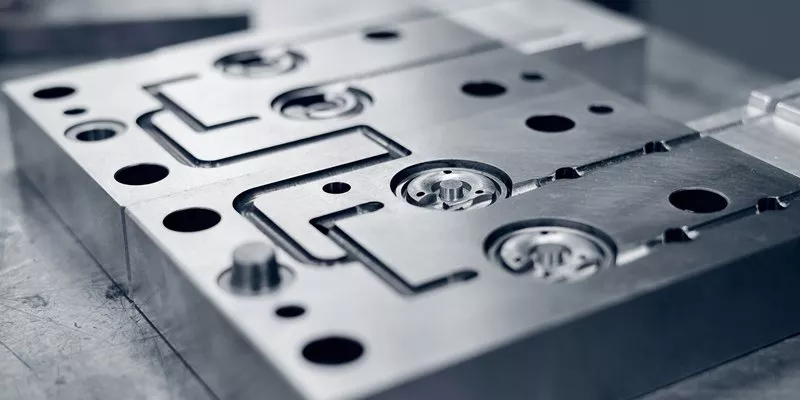
Composite manufacturing projects often begin with a design concept, but turning that concept into a repeatable component requires careful planning. Tooling is one of the most important stages because the mold or forming equipment influences the shape, surface quality, and consistency of the finished part.
Choosing a tooling provider should therefore involve more than comparing quotations. Manufacturers need to understand the proposed process, the supplier’s technical capabilities, expected production volume, and the level of quality control available.
Start With the Project Requirements
Before approaching suppliers, define the component’s intended purpose and manufacturing requirements. Provide drawings, digital models, dimensions, tolerances, material preferences, and any relevant information about the operating environment.
The supplier also needs to understand the expected production quantity. A mold designed for a few prototypes may not be suitable for repeated manufacturing over an extended period.
Identify Critical Dimensions
Not every dimension has the same importance. Some features may affect visual appearance, while others determine mounting accuracy or the relationship between connected components.
Identify critical measurements early and agree on how they will be inspected. This helps the tooling provider design the mold and quality checks around the requirements that matter most.
Explain the Intended Material
Composite tooling requirements depend partly on the fibers, resin system, and manufacturing process used for the final component.
A tooling provider should understand whether the part will be made through hand layup, vacuum-assisted processing, resin infusion, or another method. These processes may require different mold materials, sealing arrangements, and temperature capabilities.
Understanding Tooling Design
Tooling design determines how the component will be formed and removed from the mold. It also influences the mold’s durability, maintenance needs, and manufacturing cost.
Geometry and Part Release
Complex shapes may include deep recesses, undercuts, sharp transitions, or features that complicate removal from the mold.
The tooling designer should review these details before production begins. In some cases, the component design may need adjustment or the mold may require multiple sections.
Addressing these issues during design review is usually preferable to discovering them after the tooling has been manufactured.
Surface Finish Requirements
If the component will have an exposed composite surface, the tooling finish can be particularly important. Small imperfections in the mold may appear on the finished part.
Discuss the expected surface quality with the supplier and establish clear acceptance criteria. If painting or additional finishing will be applied later, explain that requirement because it may influence the tooling specification.
Comparing Tooling Materials
Tooling can be produced from different materials, including metals and composite systems. Each has advantages and limitations related to cost, durability, temperature stability, weight, and manufacturing complexity.
Match the Material to the Production Plan
A high-volume manufacturing project may justify a more durable mold with a higher initial cost. A short-run project or prototype may require a different balance between investment and expected usage.
The right decision depends on the component’s geometry, the production process, the expected number of cycles, and the required dimensional accuracy.
A supplier should explain why the proposed material is appropriate instead of recommending the same solution for every project.
Assessing Supplier Capability
Technical experience matters when the component has complex geometry or demanding tolerances. Ask the supplier about comparable projects, the manufacturing process, inspection methods, and how design revisions are handled.
Review the Development Process
A clear development process may include design review, tooling design, manufacturing, inspection, prototype production, and revision.
Each stage should have a defined purpose and approval point. This structure makes it easier to identify problems early and avoid misunderstandings about when the project is ready to proceed.
Ask About Communication
The supplier should be able to explain technical issues in a way that helps the customer make informed decisions. Regular progress updates and documented design changes can be particularly useful for projects involving multiple stakeholders.
Clarify who approves revisions and how changes affect the cost and schedule.
Comparing Quotations Fairly
A tooling quotation may include design work, materials, machining, surface preparation, inspection, and delivery. Other suppliers may list some of these items separately.
Compare the scope of work rather than focusing only on the total price.
Ask whether the quotation includes:
- Design review and engineering consultation.
- Tooling material and manufacturing.
- Surface finishing and preparation.
- Dimensional inspection.
- Prototype trials and revisions.
- Packaging and delivery.
- Maintenance guidance and ownership terms.
A lower quotation may exclude important stages that will need to be purchased later.
Prototyping and Validation
A prototype helps confirm whether the tooling can produce the intended geometry and whether the component fits its application.
During validation, inspect critical dimensions, surface finish, mounting points, and any areas where the part interacts with other components.
Document Problems and Revisions
When a prototype does not meet the specification, record the issue clearly. Photographs, measurements, and notes can help the tooling provider identify the cause.
Determine whether the problem comes from the mold, the component design, or the manufacturing process. Making this distinction helps avoid unnecessary changes to otherwise suitable tooling.
Agree on how many revision rounds are included in the project and how additional work will be priced.
Quality Control and Traceability
Quality control helps ensure that tooling and the components produced from it meet the agreed requirements.
Ask what inspection equipment and documentation the supplier can provide. Depending on the project, this may include dimensional reports, inspection checklists, or records of prototype approval.
Traceability becomes more important when the same tooling is used repeatedly. Maintenance records and documented process changes can help explain variations in output.
Planning for Long-Term Tooling Use
Tooling is an asset that may require cleaning, inspection, repair, and careful storage. These responsibilities should be considered before the project begins.
Clarify who owns the tooling, where it will be stored, and whether the supplier can support future production runs. If the mold needs to be transferred to another manufacturer, establish the requirements and costs in advance.
For buyers comparing the best composite tooling services the strongest choice is the provider whose technical process, communication, and quality controls match the project’s actual needs.
Frequently Asked Questions
1. What should I send a tooling provider before requesting a quotation?
Provide drawings or models, dimensions, material requirements, manufacturing method, expected production quantity, critical tolerances, and the intended application.
2. Is the lowest tooling quotation always the best value?
No. A quotation may exclude design, inspection, prototype revisions, or maintenance. Compare the complete scope, technical suitability, and long-term cost.
3. Why is prototype validation important?
It helps confirm that the tooling produces the intended shape and fitment before repeated production begins. It can also reveal design or process issues while revisions are still manageable.
Conclusion
Evaluating composite tooling services requires a clear understanding of project requirements, tooling materials, manufacturing methods, and quality expectations. By comparing complete quotations, reviewing the supplier’s process, validating prototypes, and clarifying ownership and maintenance, businesses can make more informed decisions. A well-selected tooling partner helps turn a design into a repeatable manufacturing solution with fewer avoidable surprises.